Explore the Heart of Courage: Visiting the Warsaw Uprising Memorial Museum
The Warsaw Uprising Museum serves as a monument honoring resilience in the face of oppression. It presents a remarkable look at the sacrifices made during one of history's most defining moments. Visitors can engage with compelling exhibits showcasing personal stories and collective memory. Such a journey through history brings up important questions about human rights and the continuous fight for democratic principles. What insights can we gather from these accounts, and how do they resonate today?
The Reasons The Warsaw Uprising Remains Important Today
The importance of the Warsaw Uprising echoes profoundly throughout modern society, representing perseverance amid subjugation. This historical event, which transpired in the course of World War II, underscores the bravery of those who stood against authoritarian rule, establishing it as a compelling touchstone for contemporary battles against oppressive regimes. The uprising serves as a reflection of the sacrifices made for independence, instilling a sense of obligation to defend the principles of democracy in the present day.
During a period characterized by growing nationalist and populist movements, the teachings of the Warsaw Uprising inspire watchfulness against the undermining of civil freedoms. It additionally nurtures a mutual recognition of the value of collective action in advocating for human rights. Moreover, the uprising unites generations, linking the narratives of past heroes with contemporary movements for justice. Consequently, its legacy continues to inspire individuals and societies around the world, emphasizing the enduring fight for freedom and equality.
Browse Key Exhibits and Personal Stories
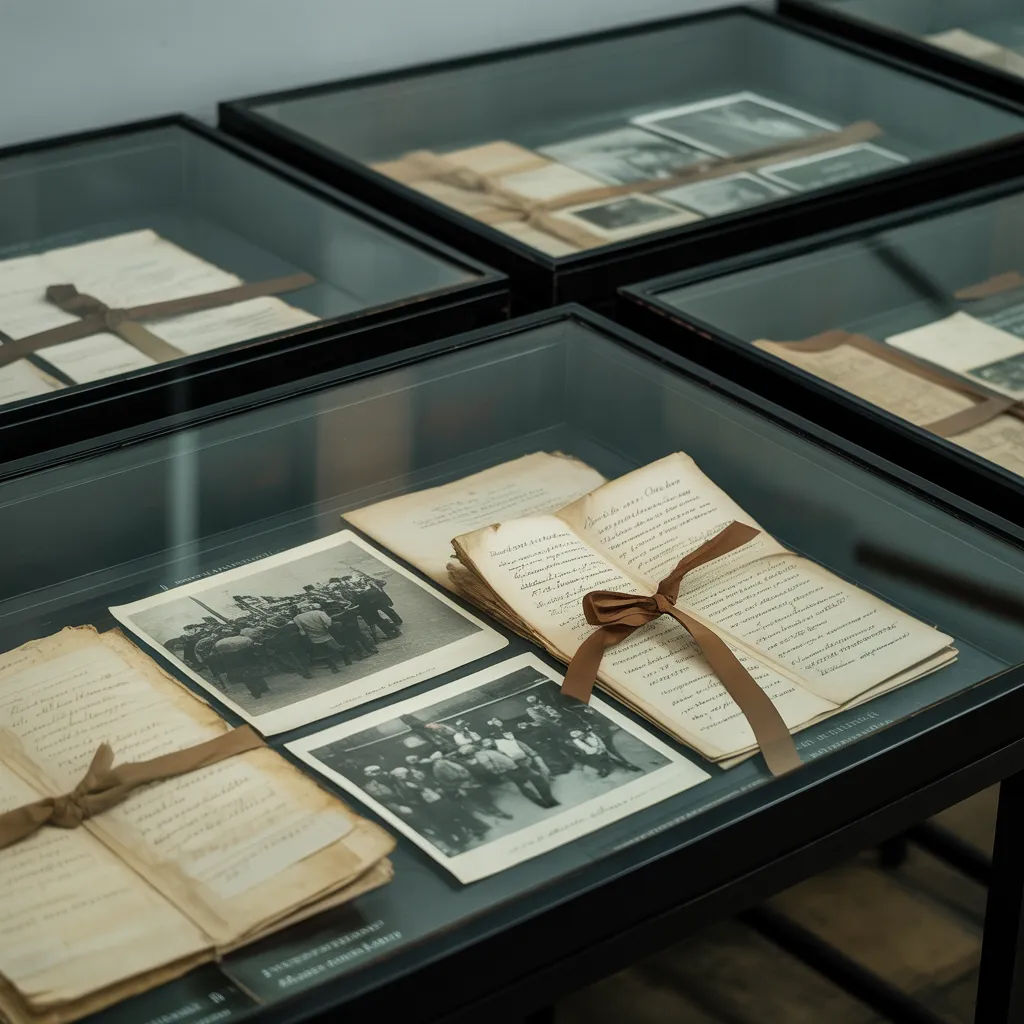
When touring the Warsaw Uprising memorial museum, one can discover significant showcases that vividly portray the difficult experiences of those who participated. The collection housed within the museum features personal artifacts, photographs, and documents that depict the everyday hardships endured by civilians and fighters alike. One poignant exhibit features letters penned by uprising participants, exposing their innermost hopes and anxieties throughout the conflict. Another highlights the narratives of households that were uprooted, showcasing the human toll of conflict.
Moreover, the museum showcases uniforms and weaponry used during the rebellion, shedding light on the desperate circumstances. The account is enriched by audio recordings of survivors recounting their experiences, bringing a heartfelt perspective to the events of history. These installations not only inform guests about the rebellion but also honor the courage and determination of those who fought for their city, connecting history with modern visitors.
Must-See Interactive Exhibits at The Museum
How can interactive exhibits enhance the understanding of the Warsaw Uprising? At the Warsaw Uprising Museum, these exhibits offer a dynamic way to engage with history. One remarkable exhibit lets visitors traverse a virtual map of the city as it stood during the uprising, offering insight into the geographical difficulties that insurgents faced. A further immersive exhibit recreates the sounds of combat, surrounding visitors with the powerful atmosphere of resistance.
Moreover, the museum features a compelling interactive display where guests can share thoughts and messages, fostering a deep relationship to the historical narrative. Electronic displays highlight eyewitness stories from survivors, connecting the divide between yesterday and today. Such interactive features not only teach but also inspire compassion, presenting the nuances of the Warsaw Uprising clearer and more meaningful. With these forward-thinking features, the exhibit shapes historical learning into an engaging journey that strikes a chord with all who attend.
Guidelines For Your Visit To The Museum
What essential tips can enhance a visit to the Warsaw Uprising Museum? First, it is advisable to allocate at least two to three hours for a thorough exploration of the exhibits. Visitors should consider booking tickets online in advance to avoid long queues, especially during peak tourist seasons. Audio guides are offered and strongly advised, as they deliver meaningful context and enhanced perspectives on the exhibits.
Arriving early in the day can further enrich the visit, providing a calmer setting. Appropriate footwear is necessary, as the exhibition requires considerable walking and time on your feet. Additionally, attendees should consider looking at the museum's timetable for exclusive events, educational workshops, or informative guided tours that might enhance their overall comprehension. Lastly, engaging with the museum staff for recommendations can result in uncovering hidden artifacts and narratives that showcase the strength of Warsaw's residents throughout the uprising.
How The Uprising Shapes Modern Polish Identity
The Warsaw Uprising stands as a pivotal event in Poland's rich history, significantly impacting the collective identity of the nation. This remarkable 1944 rebellion against Nazi forces embodies valor, strength, and the fight for independence. The Uprising has emerged as a key reference point in present-day Polish patriotism, nurturing a spirit of unity among Poles who see it as an homage to their common heritage and principles.
In present-day Poland, the Uprising is honored in various forms, from civic events to artistic tributes, strengthening a shared memory that defines national identity. The heroism exhibited during the Uprising is celebrated in literature, film, and art, functioning as an enduring symbol of national pride.
In addition, the Uprising's remarkable legacy drives continual discussions about sacrifice, democracy, and historical memory, shaping political discourse and civic engagement. As a result, the Warsaw Uprising endures as a foundation of Polish identity, embodying the undying pursuit of sovereignty and the enduring spirit of resistance.
Motivating Future Generations Through The Museum
The Warsaw Uprising Memorial Museum holds a significant position in educating young visitors via its engaging displays, which engage them with the historical events of the rebellion. In maintaining these accounts, the institution not only pays tribute to history but also cultivates a feeling of duty in the next generation. This methodology cultivates a deeper understanding of the past and its lasting influence on Polish identity.
Educating Through Interactive Exhibits
Whereas most museums strive to protect history, the museum dedicated to the Warsaw Uprising employs a remarkable strategy by immersing visitors in interactive displays. These carefully designed installations encourage visitors to deeply go to article explore the perspectives of those who survived the uprising. By employing multimedia presentations, virtual reality experiences, and hands-on activities, the museum encourages a greater comprehension of the historical backdrop and emotional gravity of the events. Visitors can explore authentic artifacts and engage in storytelling that brings history to life, rendering it accessible to newer generations. This hands-on approach not only educates but also inspires empathy and critical thinking, guaranteeing that the insights of the uprising extend far beyond the museum walls, shaping the perspectives of future leaders.
Preserving Historical Narratives Impact
Through its immersive exhibits, the Warsaw Uprising Museum not only educates guests but also plays an important role in preserving historical stories that connect with those who follow. By highlighting personal stories, artifacts, and digital displays, the museum cultivates a greater understanding of the Uprising's significance. This connection helps to affirm that the sacrifices made during this crucial period in history are not overlooked. The museum emphasizes the value of resilience, courage, and collective memory, motivating young people to consider their own ideals and obligations. As attendees engage personally with the past, they are encouraged to become active participants in shaping a just future. As a result, the museum acts as a essential channel for conveying these critical narratives over the years.
Personal Accounts That Bring History to Life
Among the remnants and collections of the Warsaw Uprising Museum, individual stories stand out as powerful demonstrations of strength and bravery. Each narrative, regardless of whether it comes from a fighter or a resident, provides a profoundly touching window into the personal journey during one of the most somber chapters in history. The museum showcases letters, diaries, and oral testimonies that capture the sentiments of sorrow, aspiration, and courage, allowing visitors to connect with the past on a deeply personal level.
These accounts underscore the intricacies of perseverance, demonstrating how ordinary individuals became extraordinary heroes. They reveal the profound moral conflicts encountered throughout the uprising and the bonds forged in adversity. By showcasing these intimate accounts, the museum safeguards history but also highlights the importance of distinct voices in molding collective remembrance. In the end, these individual accounts redefine the perception of the uprising, enabling it to find relevance in contemporary discussions about resistance and identity.
Commonly Asked Questions
What Are the Museum's Hours of Operation and Entry Fees?
The museum functions seven days a week from 10 in the morning until 6 in the evening, with extended hours on Thursdays until 8 PM. Ticket prices are 25 PLN for adults, whereas students and seniors receive discounted admission at 15 PLN.
Is a Guided Tour Offered at the Warsaw Uprising Museum?
Indeed, guided tours can be arranged at the museum. These guided experiences deliver detailed information into the displays and historical background, broadening visitors' knowledge of the significance and events of the uprising. Advance reservations are strongly advised.
Is Photography Allowed Inside the Museum?
The use of cameras is generally prohibited inside the museum so as to safeguard the exhibits and maintain the respectful atmosphere of the venue. Visitors are encouraged to enjoy the experience without capturing images, focusing instead on the historical significance.
Are There Any Gift Shops or Cafés Located On-Site?
Indeed, the museum offers both a retail shop and a dining area on-site. Visitors can purchase souvenirs and enjoy refreshments, adding to the enjoyment of their trip while exploring the historical significance of the museum's exhibitions.
Are There Any Special Events or Exhibitions Coming Up?
The museum frequently organizes unique events and exhibits. Future programs offer lectures, film screenings, and interactive displays, giving attendees greater knowledge about the profound history of the Warsaw Uprising and its continuing influence.